

According to research, up to 88% of customers may change their existing opinion of a brand due to a negative impression caused by an advert. That’s a huge figure! We’ll look at how that negative impression arises later.
Equally important is WHERE you advertise. Offensive, hateful adverts or adverts on fake-news websites worry 61% of users. In fact, 60% of users responded more positively to adverts on credible websites than, for example, on social media or in search results.
Users’ technical savvy is also growing; if adverts start to annoy them, more than half of them do not hesitate to use some form of ad-blocking.
On the other hand, however, users do pay attention to adverts: only 5% of them ignore adverts completely, and just 1.5% block all online adverts.
Above all, advertising must be fair
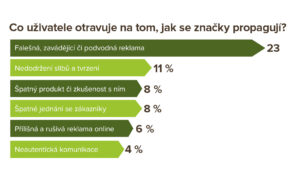
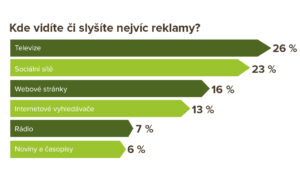
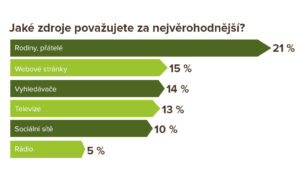
According to respondents, advertising still bombards us most heavily via television and social media. Furthermore, respondents are sensitive to misleading advertising. It is important to present your product or service with discretion. Promising the moon and the stars that you cannot deliver will only bring you negative reviews and dissatisfied customers. It remains true that the best form of advertising is a personal recommendation. 21% of respondents trust family and friends.
Satisfied customers are happy to praise you, so don’t be afraid to ask for recommendations. Many companies try to incentivise customers, for example, with a discount for a referral. Interestingly, only 4% of users trust bloggers. This may also be due to the age distribution of respondents. Note that websites remain in second place as a credible source. So pay attention to what is being said about you online and work on producing high-quality content.
Do you prefer brands that advertise on websites you regularly visit?
- 39% Yes
- 33% No
- 27% Not sure
How do users react when they find an advert offensive:
- 11% start boycotting the brand
- 37% change their opinion of the brand and whether they want to buy from it
- 29% don’t care at all
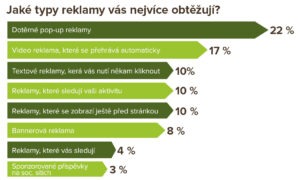
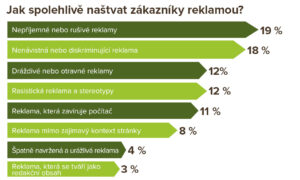
How to create adverts that don’t annoy users?
Google also closely monitors user behaviour. That is why, for
example, it penalises pop-ups in SEO rankings
. Just as in real life, the rule ‘Do unto others as you would have them do unto you’ and common sense apply in online marketing.
Within the PPC content network, you can exclude sites that your customers might consider inappropriate. Choose where you want to be seen
. Indeed,
the results of this research may well have been read by Vodafone’s management. At the beginning of June,
they announced that Vodafone would not advertise on offensive or unethical websites
.
When it comes to promotion, focus on not overwhelming
your fans and customers
.