

A typical scene from a copywriter’s life: You’re explaining to your parents for the hundred and fiftieth time what you do for a living. Then your mum shakes her head: “And someone actually pays you for that?!”
Sometimes we encounter similar misunderstandings from clients too. Did you know, for example, that a copywriter spends only a minimal amount of time actually writing? A true professional is not only able to produce top-quality copy for websites, e-shops and Facebook, but also to find relevant sources and then promote the content to reach the widest possible readership.
Why is copywriting in demand?
Because content sells. Without text, a website or even an advert wouldn’t sell anything at all. Copywriters are those who fill graphics with text; quality copywriters are those who write words persuasively.
Quality text and graphics go hand in hand
. Take a look at what the graphic design of our newsletter looks like without text, or rather with placeholder text:
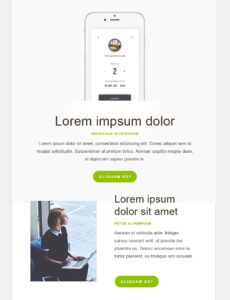
In an ideal world, a copywriter has at least a basic understanding of UX and web typography. They can therefore advise you on how to structure the text to make it more readable. We’ve also prepared an article on how to write for websites.
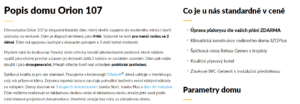
Read the following two paragraphs and tell us which offer sounds more interesting?

Before the copywriter picks up a pen
Before a copywriter starts writing, they research the topic. For clients, this means they can be a bit of a nuisance, asking lots of questions. It depends on how familiar they are with the subject. They need to gather as much information as possible; only once they have a notepad covered in post-it notes do they begin writing.
Thanks to careful preparation, a copywriter can present the real benefits you offer, rather than vague promises such as ‘cheapest, innovative or trendy’.
Marketers have worked in a similar way since time immemorial. For example, marketing icon David Ogilvy spent three weeks studying the materials before coming up with the headline for the iconic Rolls-Royce advert.

What a copywriter needs:
- Target audience analysis – so they know who they’re writing for and how to speak to them
- Keyword analysis – so they know how to speak to both people and search engines
- Competitor analysis – so they know how others are communicating
- USPs (unique selling points) – to understand what benefits are on offer
- Corporate style guide – so they know what tone of voice you use
- Text objectives
Even a pro needs an outline
At AITOM, we analyse product qualities and the target audience using the Value Proposition Canvas
method
. Essentially, for each persona, we list their tasks (what they’re trying to solve), expectations (what else they’d like) and concerns (why they might not buy from you). You then prioritise these notes from the most important ones.
For example, for our persona who is considering purchasing user testing:
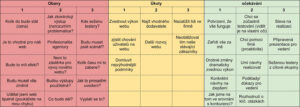
This analysis then forms the framework for the website’s content. In the text, the copywriter prioritises providing the user with answers to their questions. If the website is extensive, they also collaborate with a graphic designer and a UX specialist to jointly design the website’s structure. For each website, they determine the general content and the specific objective each page is intended to fulfil.
An outline is also essential when preparing a blog. A few key points to address in the text are more than enough.
The copywriter also aims to appeal to search engines. They think in terms of context. They incorporate keywords into the text, link pages together, and, last but not least, prepare meta tags.
The work doesn’t end with the text
It’s a good idea to review the text after some time has passed. With a bit of distance, it’s easier to spot mistakes. It’s always worth sending the text to a proofreader. Nothing ruins a good text quite like schoolboy errors.
If you don’t have a brand, the copywriter must also ensure that users find out about the article. This is particularly true for blogs. Derek Halpern from the agency Social Triggers recommends, for example, that blogs spend 80% of their time promoting the article and only 20% on writing it.
At AITOM, we automatically publish articles on social media, and we also select the most interesting articles for the AITOMovin newsletter. In our view, the 80:20 ratio is a bit of an exaggeration. After all, the article focuses solely on blogging, not corporate communications. We devote around 40% of our total time to promotion.
What is copyediting?
Some clients prefer to prepare their own texts. For example, because the topic is too complex. However, they are rarely confident about their style and grammar. In such cases, request copyediting.
The copywriter will check and correct
the texts according to the same criteria
as if they had written them themselves. The resulting text will therefore be factually correct, yet readable.