A new era in marketing: artificial intelligence as a key tool
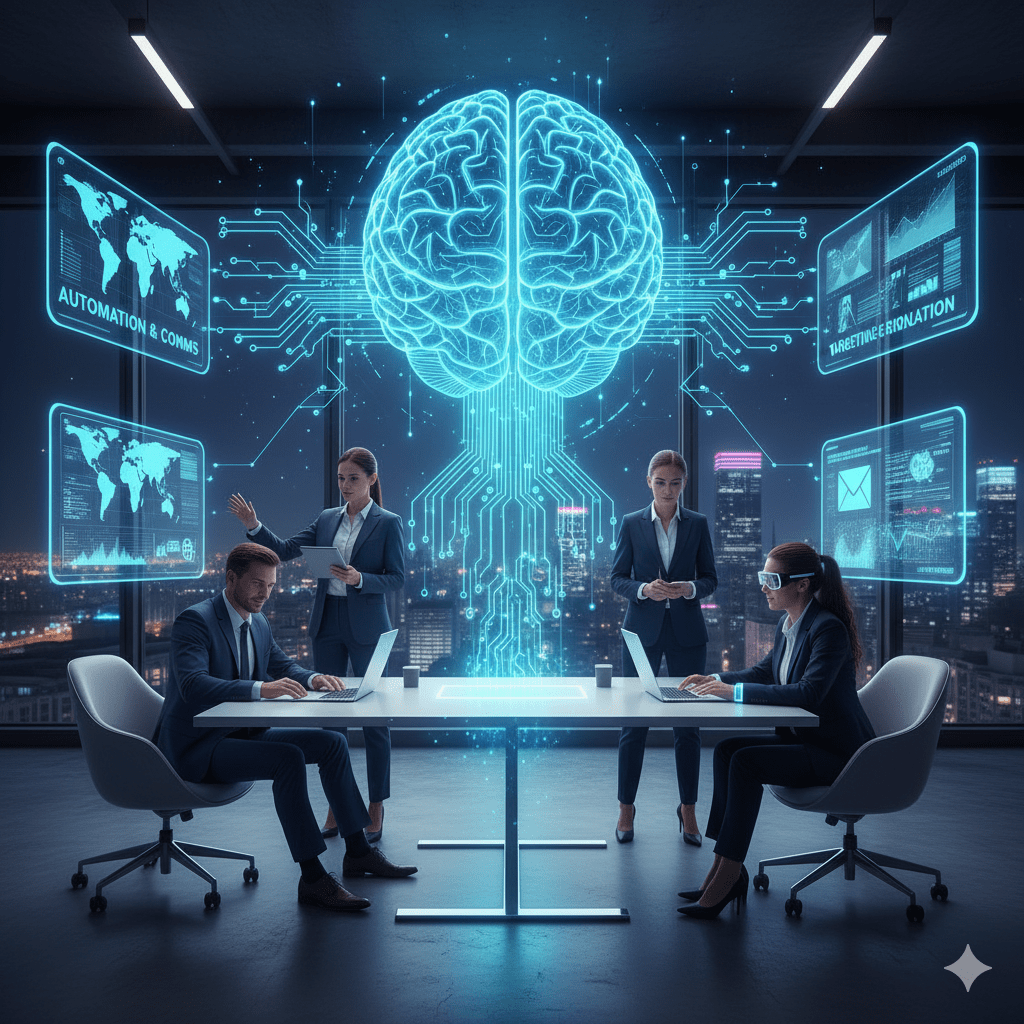
Marketing is changing faster than ever before. Where intuition and experience once ruled, artificial intelligence (AI) is now increasingly taking centre stage – an analytical, creative and automation-driven force that helps companies make smarter and more effective decisions.
Whilst just a few years ago AI in marketing was more of a futuristic concept, today even small businesses are using it. From automated copywriting through to customer behaviour analysis and personalised campaigns – AI can significantly streamline work, reduce costs and increase return on investment.
How AI is transforming the marketing landscape
Artificial intelligence now touches on all key areas of marketing – from market research to social media management.
Automation of routine tasks
Tools such as HubSpot, ActiveCampaign and Manychat can automatically schedule and send emails, manage social media or respond to customer enquiries. This frees up salespeople, who can then focus on strategy and creativity.
Predictive analytics and data models
AI can process vast amounts of data and identify trends that a human might overlook. Based on this data, it is possible to predict customer behaviour, optimise budgets or tailor communication to different segments.
Personalised communication
One of the greatest benefits of AI is its ability to create personalised content in real time.
For example, an e-shop can recommend products to customers based on their previous purchases or behaviour on the website.
Platforms such as Dynamic Yield or Adobe Sensei enable the generation of offers that automatically adapt to each user’s preferences.
Specific areas where AI drives innovation
Content creation and optimisation
Thanks to tools such as ChatGPT, Jasper AI or Copy.ai, marketers can generate texts, articles or social media posts in a matter of minutes.
AI can analyse which style and tone works for a given target audience and adjust the text to deliver better results.
Example: If you run an e-shop selling dietary supplements, AI can automatically generate product descriptions that are SEO-optimised and tailored to the language your customers use.
Visual and video content
Generative tools such as Midjourney, DALL·E, Runway or Synthesia allow you to create bespoke visuals and videos without the need to hire an entire production team.
This makes it possible to quickly create advertising banners, visual posts or even personalised video adverts featuring virtual actors.
Advertising campaigns and targeting
AI tools such as Google Performance Max, Meta Advantageor AdCreative.ai optimise budgets and ad distribution based on the performance of individual channels.
The system continuously learns which combinations of text, images and placements deliver the highest conversions.
Chatbots and customer care
Modern chatbots, such as Intercom, Drift or Zendesk AI, can communicate naturally and handle most common queries 24/7.
AI assistants not only improve the customer experience but also collect data on client needs – a valuable resource for marketing strategies.
Practical benefits for businesses
Time and cost savings – routine tasks are automated, so you can focus on strategic planning.
Better decision-making – thanks to data analysis and predictive models, you know what really works.
Increased campaign effectiveness – AI can adapt content and budgets in real time.
Greater creativity – tools generate ideas, copy and visuals that inspire your team.
Greater personalisation – customers receive exactly what interests them, which boosts engagement and conversion rates.

How to start using AI in marketing
1. Set a clear goal
Don’t start by saying “I want to try AI”. Be clear about which process you want to improve – content creation, reporting, campaigns or customer care.
2. Choose the right tools
For content, try ChatGPT or Jasper; for visuals, Canva AI or Midjourney; for campaigns, AdCreative.ai.
Start with one specific process and only then expand.
3. Measure the results
AI is only effective if you measure its impact. Track how much time and money you’ve saved and how conversions have improved.
4. Maintain the human touch
AI helps, but it lacks emotion and empathy. Final texts and visuals should always be reviewed by a human to ensure they remain authentic and align with the brand’s values.
Trends that will shape the future of marketing
1. Multimodal AI – combining text, images and sound will enable the creation of comprehensive campaigns from a single input.
2. Generative advertising – systems will automatically create and test ad variations based on user behaviour.
3. Ethical and transparent marketing – AI will also raise questions regarding copyright, fake content and credibility.
4. Hyper-personalisation – real-time communication tailored to each customer.
Summary: AI as the key to smarter marketing
Artificial intelligence isn’t taking over marketing – it’s enhancing it. Thanks to AI, businesses can get to know their customers better, create relevant content and manage campaigns more effectively.
The basic rule is: start with small steps, but think strategically.
Choose one process, test the tool, measure the results, and gradually integrate AI into your entire marketing strategy.
The future belongs to companies that can combine data, creativity and technology. And that is precisely where the power of artificial intelligence lies – it transforms marketing from a cost into an investment in growth.