
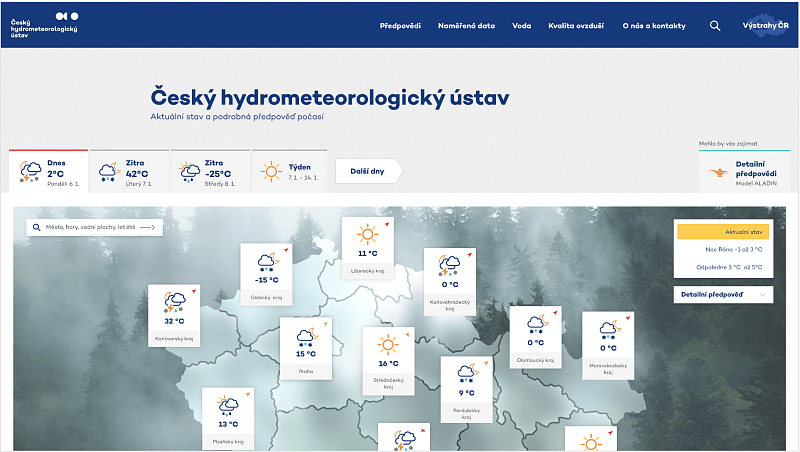
The problems with the old website
The client had several reasons for creating a new website. The original site was confusing and cluttered with diverse content. Above all, however, its technology and structure failed to meet the current needs of users. If you needed to know more than whether it would rain at the cottage over the weekend, finding more specialised information was a long and difficult process.
Given the complexity of the website and the demanding nature of the whole process, the marketing team concluded that they needed specialist partners to build the new site. This was the perfect opportunity for us, as we are in our element when it comes to extensive initial research.
In the tender, we offered a price 25% lower than the client’s budget. We won the tender and set to work.
Getting it right from the start
A project of this scale needed to be broken down into several phases. We started with our tried-and-tested approach.
-
We familiarised the client with our process and made it clear to them what we would need from them and when.
-
Together, we identified 8 target groups for whom we are creating the website:
-
general users
-
people with a deeper interest in the weather. Boat owners, skiers, hot-air balloonists, air traffic controllers, healthcare professionals, etc.
-
-
We created the structure.
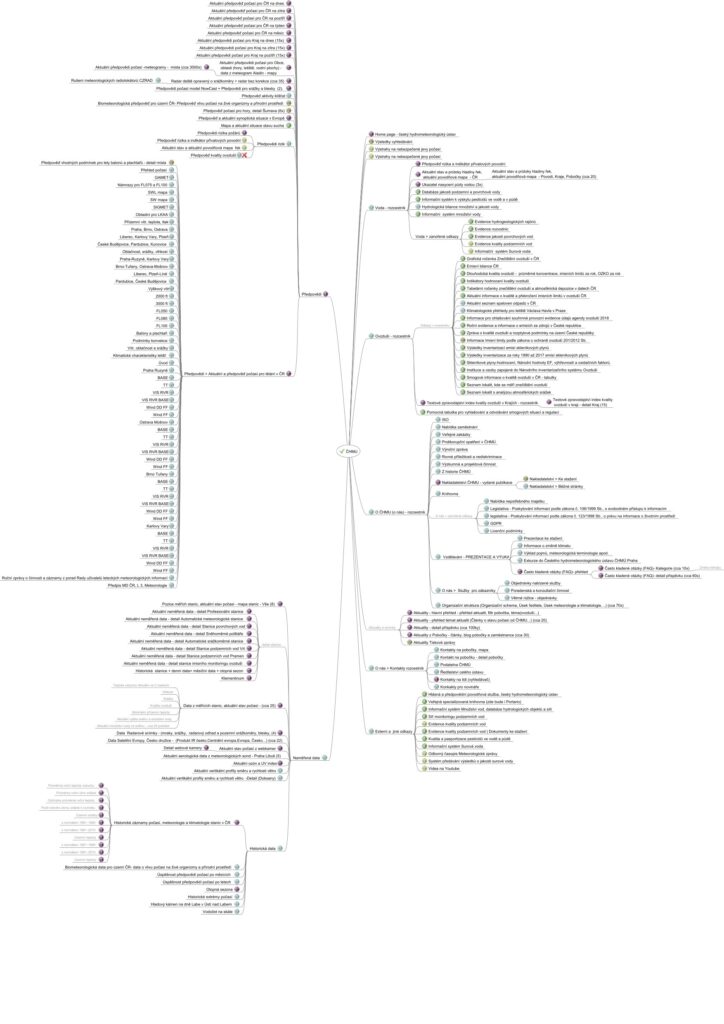
The next phase took several weeks. We helped the client clarify which existing content would need to be transferred to the new site and how it should be categorised. Page by page, we went through the original texts and sorted them according to the new structure.
Another important step was devising a strategy for how we would work with third-party applications integrated into the website’s functionality.
A dynamic process
On the client’s side, many people from various fields who work with the site on a daily basis had input regarding the new website. We therefore took an interactive approach to ensure we didn’t overlook anyone or anything.
-
We met once a week and worked interactively.
-
We involved the client in the entire process to create a joint project with which they would be 100% satisfied.
-
The client set up a so-called “web group” on their side – comprising specialists in key fields – meteorology, climatology, hydrology, etc. Their task was to ensure that the correct content was created on the new website for their respective specialisations.
Technical specifications of critical national infrastructure: A challenge for the experienced
The CHMI website is part of the state’s critical infrastructure, and the CHMI is also a member of the State Security Council. What does this mean for the website?
-
high requirements for 24/7 availability
-
Extremely high demands on the availability of all applications, including third-party applications
-
High emphasis on load capacity – for example, in the event of floods, everyone who needs up-to-date information must be able to access the website
We therefore created two detailed technical specifications for the project:
-
a technical specification from the perspective of functions and structure
-
a technical specification from the perspective of data flows
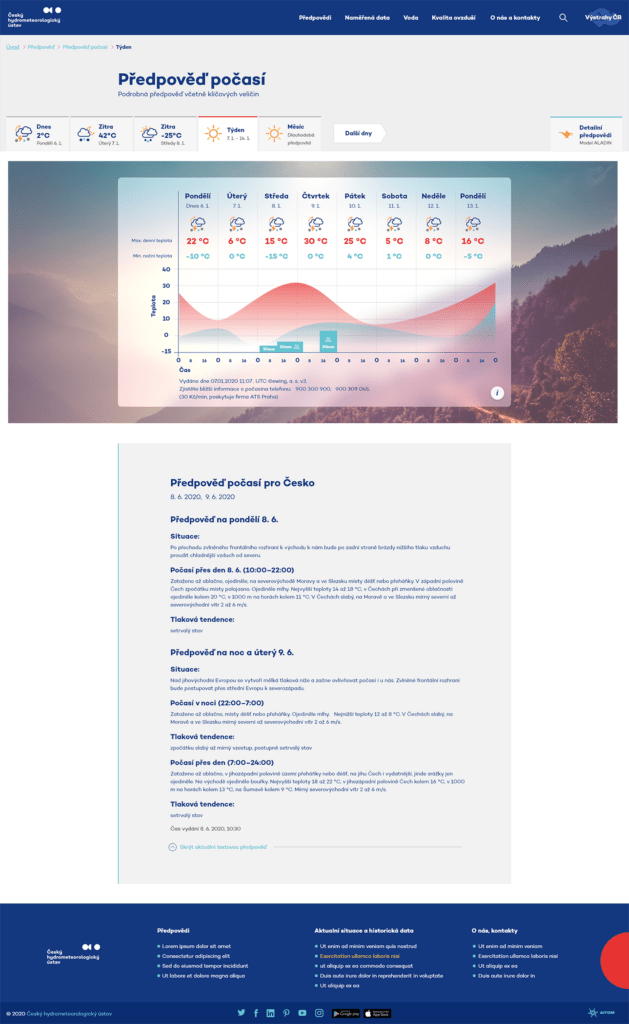
The preparatory steps concluded with a complete design for new, modern graphics.
Preparing the client for the tender
In order for the client to launch a tender for an agency to create the website itself according to our brief, they still needed our help with the final phase of preparations.
-
We specified the evaluation criteria for the tender process.
-
We provided an expert estimate of the development complexity and scope of the application.
-
We provided an expert estimate of the time required for implementation.
-
We helped prepare the tender documentation in collaboration with the legal department and the public procurement department.
All these documents protect the client from extra costs and delays, which are particularly common in public procurement.
“The biggest headache with public IT contracts is the fact that they are often difficult to bring to a successful conclusion. Thanks to our experience and also thanks to the process we went through together, the people at the CHMI now know exactly what to ask for and what steps to take. What to expect from a development company, what the costs will be, and what the deadline is. In our experience, this is the key to the successful completion of most software contracts in the public sector,” says Martina Filipová, our Key Account Manager.