
The aim of the new website: clarity
Three main groups of users visit the website in search of information – potential clients seeking help following a spinal injury, donors (who want to know how their donations are being used) and volunteers (who want to get involved and help others).
The previous website did not clearly distinguish between content
for these three groups. In light of the overall rebranding, Centrum paraple wanted to present itself as a transparent foundation that is actively engaged and keeps pace with the times.
The first step in the redesign was to analyse the competition and create a value proposition
for the three customer segments:
- Foundation clients
- Donors
- Volunteers who help at the foundation
A typical challenge for someone after an injury is figuring out how they will actually cope with their disability; they fear they will no longer be independent and feel ashamed in front of others. Expectations represent the benefits the website can offer – for example, meeting other disabled people and sharing experiences.
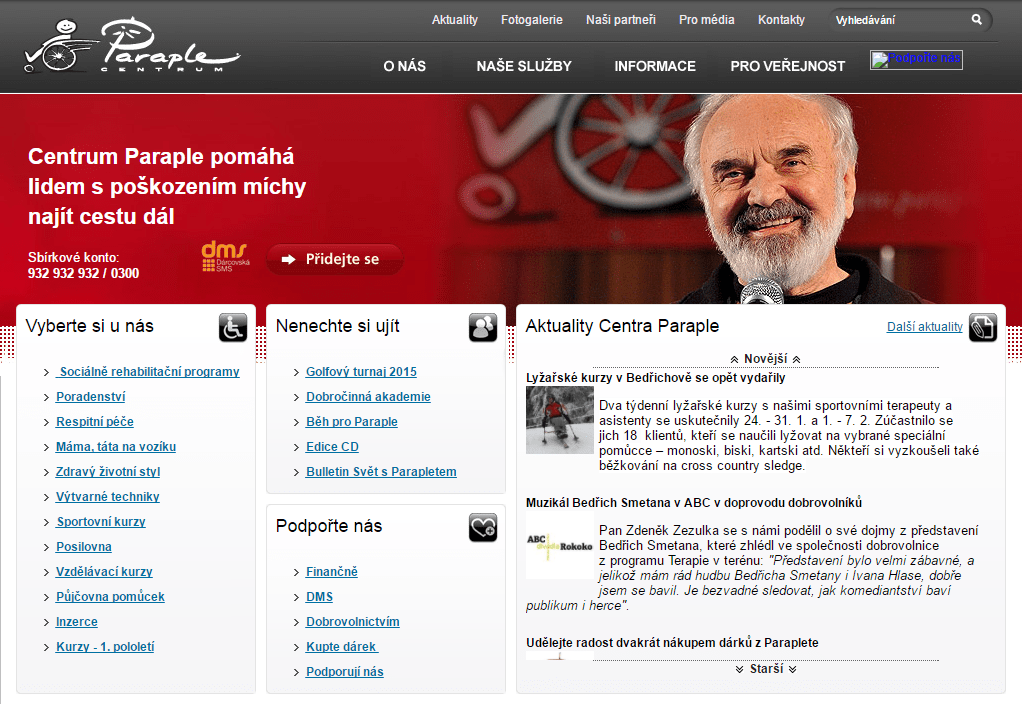
The website’s appearance before and after the redesign
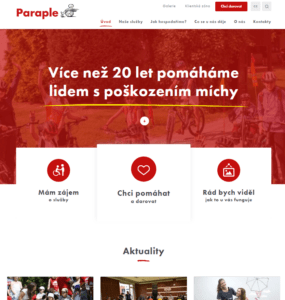
The original version dates from March 2015, the new one from April 2017. The new site is significantly longer, requiring users to scroll more, but it also guides them more effectively through the content. The old website was also not responsive.
How to make the website clearer using VPC?
Centrum Paraple had already defined its user segments in advance. During a workshop, representatives of the foundation and experts from AITOM developed a value proposition analysis.
The analysis then automatically yielded a website structure
that intuitively guides users towards conversion or the information they are seeking. Thanks to this information, it was possible to prepare tailored content for each segment, which addresses their concerns, offers advice and provides added value at every step.
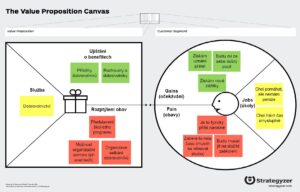
In the first step of the analysis, you list the segment’s tasks, concerns and expectations – as shown in the image. In the second step, you establish a hierarchy
for the individual ideas. The top position may be shared by several tasks; in the case of Paraplete, a wheelchair user has four tasks that share the top spot.
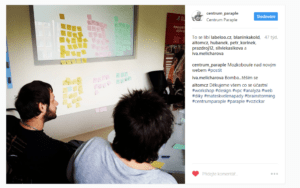
Example of a VPC analysis:
Clients segment
- Tasks
- I need information about equipment (wheelchair)
- I can’t be happy, I need a change
- I need to learn to look after myself
- Concerns
- Will I cope with my stay?
- Isn’t this just another hospital?
- Who will look after me?
- Expectations
- Will we meet other people in wheelchairs?
- Will my health improve?
- They’ll reassure me that I can cope with life in a wheelchair
Donors segment
- Tasks
- What will my donation be used for
- What exactly does Paraple need
- Can I contribute to a specific project
- Concerns
- How will my money be used?
- How do text message donations work?
- It’s a well-known charity; they don’t need the money
- Expectations
- The chance to visit the centre in person
- A sense of satisfaction
- Feedback from the charity/clients
Volunteers
- Tasks
- I want to help, but I don’t have any money
- I want to spend my time usefully
- Concerns
- Will I be able to cope physically and mentally?
- It will take too much time
- The process is complicated
- Expectations
- A sense of achievement, admiration from friends
- Building a relationship with the client
How to apply the findings in practice
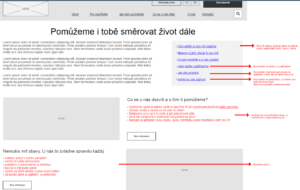
Based on the value proposition analysis, the UX specialist prepared a wireframe that reflects all the points:
Marketers also used the value proposition analysis when preparing Facebook Ads and PPC adverts. The analysis helped them identify suitable arguments and select appropriate visuals.
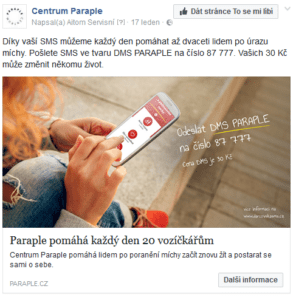
For example, Facebook posts communicate how easy it is to help – a text message costs just 30 CZK and is easy to send.
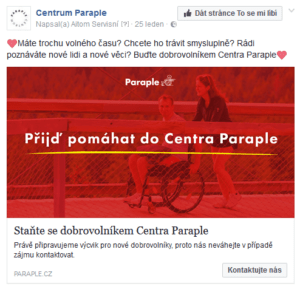
In the case of volunteers, the photograph clearly illustrates that even a young woman can manage volunteering. The authenticity is further enhanced by the fact that the photograph was taken along the scenic route around Lipno, meaning some users may already be familiar with the Treetop Walk. Both campaigns are aimed at young people under 30.
This case study was created for the TyInternety.cz portal.