
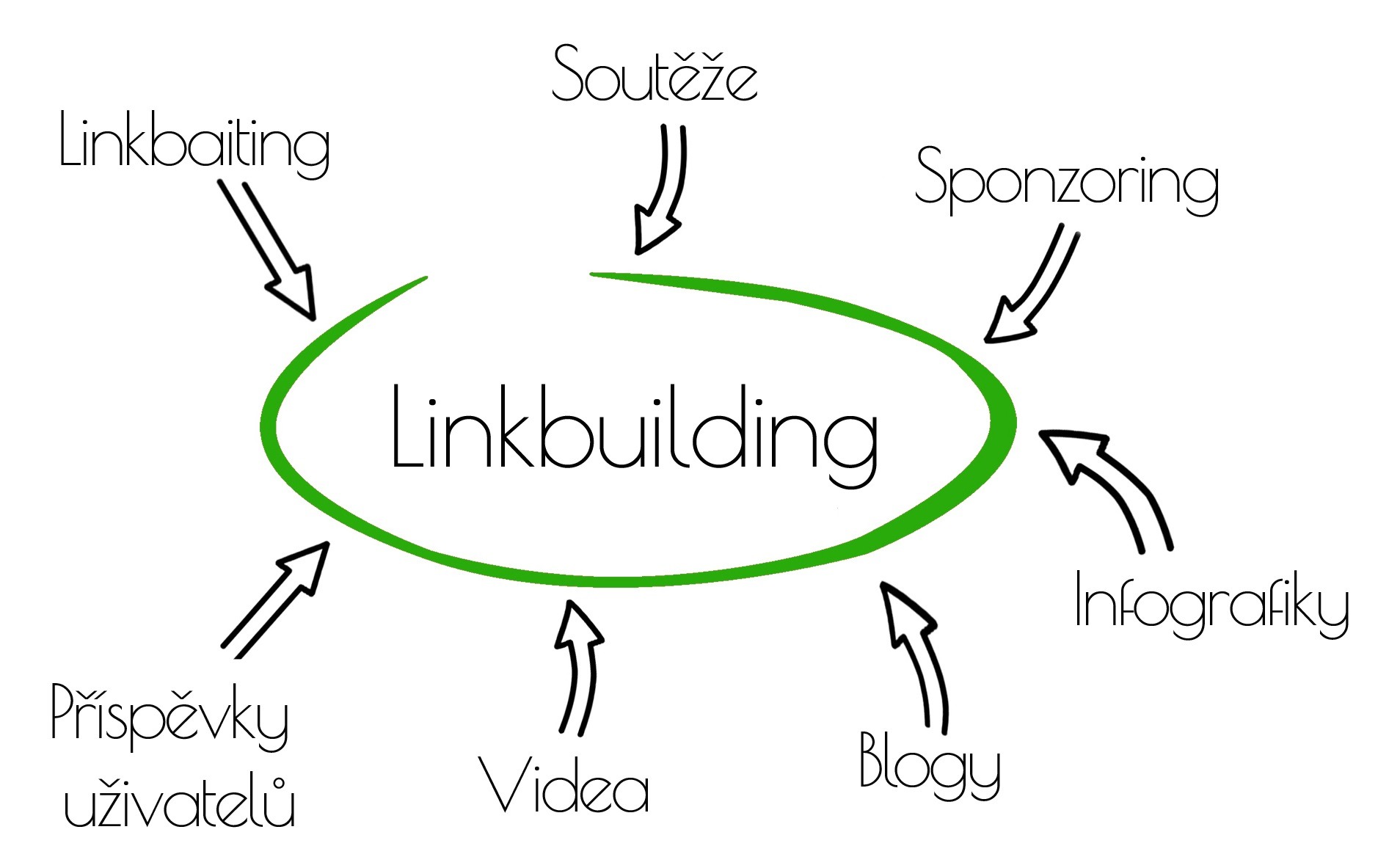
Link building refers to the process of building links. This includes both websites that link to your site and links from your site to other websites. At the end of this article, we’ll look at which external sites to link to.
In an ideal world, your content is so brilliant that people talk about you without you having to do anything, thereby building your backlink profile themselves. The aim of so-called viral marketing is to create campaigns that spread in exactly this way. But few people live in such a perfect world, so you need to take the initiative to develop your backlinks yourself.
What you must never, ever do
Make sure your backlink profile looks natural. It’s natural when people share your content on social media and talk about you. It’s unnatural when you pay a few hundred quid for dozens of links on websites you’ve never even seen. Avoid unnecessary directory listings. Choose only those that your customers use. There won’t be many.
Don’t let Google track you
We recommend adding the rel=”nofollow” attribute to a whole range of links. This attribute instructs search engines to “Do not follow this specific link”. You should use the “nofollow” attribute for all paid links. This category includes all blogs where you’ve submitted your products for review, paid PR articles in magazines, and so on.
Google has politely asked webmasters to add this attribute to links. This type of link is not natural and is therefore not beneficial to users. Google does not like to see anything that is not beneficial to users.
If such links do not have the “nofollow” attribute, Google may classify them as deceptive. Deceptive link practices specifically include:
- Buying or selling links that pass PageRank, or exchanging goods for a link (for example, in exchange for a review)
- Large-scale link exchanges of the type: “Put a link to me on your website, and I’ll link back to you in return”
- Large-scale marketing campaigns using articles or posts on third-party sites that contain a large number of keywords
- Automated link-building programmes
- Paid promotional articles containing links that pass PageRank
- Links to low-quality directory sites or bookmarking sites
- Links in the footers of various websites
- Comments in forums containing links in the post or signature
Google naturally penalises target pages for the fraudulent practices mentioned above. It is easy to defend against this. Simply add the rel=”nofollow” attribute
to the link:
< a href="www.priklad.cz/prihlaseni" rel="nofollow">Log in< /a>
How to build a link profile correctly?
Link to Google anyway
Of course, provide bloggers with products for reviews and write for online magazines. It’s not just about the link itself, but about reaching a different target audience
through influencers. However, add the nofollow attribute to every link.
Become an authority
Every industry has its own authority figures – online magazines, bloggers, online forums. Plan campaigns with bloggers on Instagram and YouTube and give them products to test; Google tends to tolerate hashtags containing brand names. Collaborate with editors of specialist magazines. Start a blog and write articles that genuinely solve a customer problem. It’s hard work, but over time it will build an excellent market position. You’ll come across as professional and credible.
Link
Most companies are reluctant to link to competitors, niche blogs and similar sites. That’s foolish. Your backlink profile must be like a motorway; links must flow in both directions. Has a competitor published an excellent article? Link to it, for example on social media. Why not acknowledge that they’ve done a great job? Always keep your customers’ benefit in mind, and Google will reward you for it.